

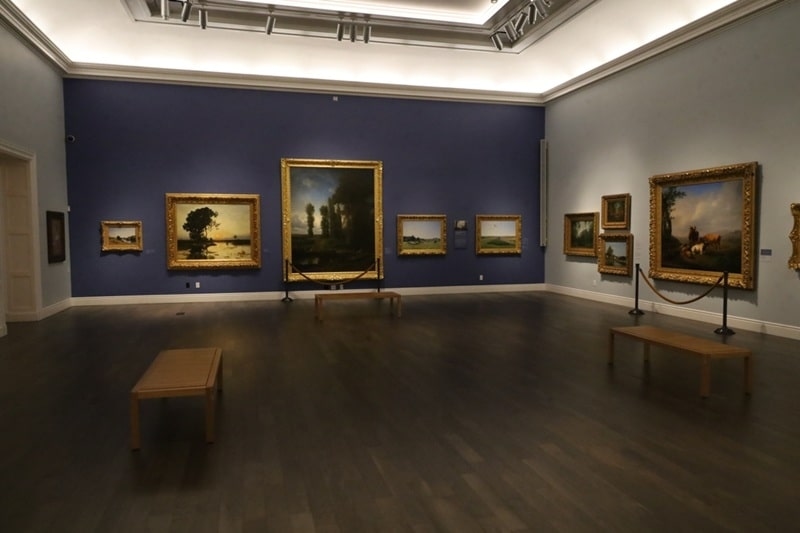
Museums today are much more interactive than they were in the past. Holographic technology has transformed our interaction with artwork, history, and culture by offering new ways to tell stories. Holograms can represent real-life 3D models or floating representations of art. In the modern gallery, visitors will experience exhibits that showcase the latest in museum holographic technology and its applications in creating exceptional holographic works of art that blur the line between what's real and what's imaginary.
This is because hologram exhibits around the globe are steadily gaining popularity, and museums are embracing cultural hologram experiences to attract followers globally. Rather than replacing traditional exhibits, holograms in museums complement them, rather than replace them. They are a way for museums to preserve physical items from history and utilize holographic technology to recreate moments of life for people viewing them.
The advent of holographic exhibits within museums has revolutionized the way visitors view historical items. Instead of viewing pieces behind a barrier of glass, holographic exhibits enable museum visitors to engage with 3D representations of the objects, allowing them to form a personal connection with the items.
Museums can now use holographic projections to display rare items without risking them. Examples of items that can now be digitized and holographically displayed include ancient sculptures, manuscripts, and textiles.
Furthermore, gallery holography enables museums to present multi-level narratives. In this way, viewers are not only able to see an artwork but also learn about its creation, the artist's role, and its significance.
Engagement is at the essence of modern museums, and holograms in museums provide precisely that. Interactive holographic displays promote curiosity and interaction, allowing viewers to engage and elicit an emotional response.
In art museums, holographic projections enable viewers to walk around projections of sculptures and brushstrokes in mid-air, or view artists discussing their own artwork. In such museums, viewers are transformed from mere observers to explorers.
Cultural hologram experiences are attractive to younger audiences who are familiar with technology. Museums incorporating holographic technology have reported longer visit durations, increased sharing, and higher return rates.
The growth of museum display holograms is primarily driven by factors such as accessibility and technological innovations. Hologram technology is rapidly becoming more affordable, scalable, and flexible, meeting the needs of museums of all levels.
The hologram displays around the world have shown how museums can appeal to an international audience without relocating a physical exhibit from one place to another. Using the hologram, multiple exhibits from different parts of the world can be rotated simultaneously.
Moreover, the use of holography in museums helps museums overcome size limitations. Monuments, architectural ruins, performance art, or even larger sculptures can easily fit in small galleries.
Conservation is one of the most valuable applications of holograms. Many priceless objects cannot be placed in museums due to their fragility. Holograms in art museums can solve such problems through ultra-detailed digital replicas of artworks.
The hologram preserves texture, size, proportion, and detail in accurate detail. They can view each nook and corner without actually damaging the artwork itself.
Museum holographic projection also preserves museum objects from any dangers that may come from humidity, lighting, or pollution. The holographic projection preserves cultural heritage.
Technologies such as cultural hologram experiences are telling stories as effectively as they can because historical figures can be projected as lifelike holograms to relate their own stories in the first person.
Holograms used in museums allow people to 'meet' artists, rulers, scientists, and famous people. This allows history to be humanized.
With the technology of holography in museums and art galleries, extinct animals, as well as long-lost civilizations and structures, can be recreated in an educational way that is not feasible with textbooks.
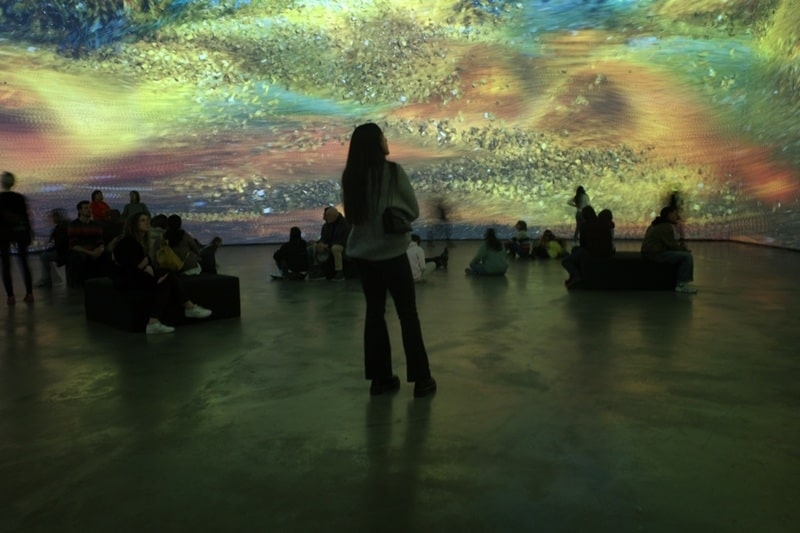
Here are some of the best hologram shows and holographic experiences around the world, featuring the cutting edge of immersive museum holographic displays and holographic art — for anyone interested in experiencing holograms in museums, galleries, and cultural attractions:
The MIT Museum is home to one of the world's largest collections of artistic and historical holograms, featuring over 2,000 works that span from the early pioneers of the medium to contemporary artists of today. The collection features seminal works, including early laser-transmission holograms and innovative artistic creations that explore both the science and aesthetics of holography.
Holographic Studios is among the oldest and most established holography venues in the world. The studios, established in 1979 in Manhattan, feature an extensive range of holographic art, including motion image integral holograms, celebrity portrait holograms, 360° floating holographic displays, and other unique pieces.
The Jonathan Ross Hologram Collection is a major private resource that presents creative and commercial holography from around the world. The exhibitions are periodically shown at London's Gallery 286 and have toured several museums over the years.
This is one of the largest holography installations ever organized, in cooperation with the Hellenic Institute of Holography, presenting more than 150 holographic exhibits, including ultra-realistic full-color holograms and interactive displays of cultural treasures that cannot be transported as physical objects. The exhibit puts art, science, and history together in this immersive experience.
Exemplified by the Virtual Museum of Holography, web-based platforms incorporate virtual reality into changing exhibitions that are accessible from anywhere in the world, both online and in partnership with physical museums. This allows access worldwide to new holographic art formats and technological developments. holocenter.org
The HoloCenter on Governors Island focuses on presenting art holograms and supporting holographic exhibitions. While not the largest, this cultural site truly showcases innovative holography and offers rotating exhibitions that delve deeply into art, history, and technology. Yelp
Part of Saint Petersburg State University, this museum integrates art and optics, featuring art and computer-generated holograms, along with interactive displays about light and holography, making it a fascinating stop for those exploring how optical science intersects with holographic art.
Holograms offer another significant benefit when applied in museums. Multilingual holographic guides, sign language avatars, and audio-enhanced displays make museums more accessible.
The holographic displays in the museum can accommodate content tailored to different age groups. Children, pupils, and researchers can all enjoy personalized learning experiences.
Cultural hologram experiences also enable virtual attendance, allowing people from anywhere in the world to view exhibitions remotely. This widens the museum's accessibility beyond the walls of the actual building.
The future of holograms in museums is closely tied to AI and augmented reality. Sooner or later, holograms in museums would be triggered by the questions visitors ask, their emotions, and their movements.
Museum holography will evolve into adaptive spaces where objects will dynamically change according to visitor engagement patterns. Art museum holograms will enable visitors to collaborate with holographic co-creators.
With the growing number of hologram showcases globally, museums will become living cultural environments where art, technology, and humanity converge.
Museums are transforming the way we experience art, history, and culture through the use of holograms. Museums combine Innovation with Preservation to tell the story vividly, immersively, and personally. Museum holographic displays, as well as the use of holographic technology in their Galleries, are pushing the limits of the traditional museum experience by bridging the interaction between people and cultural heritage. As the global landscape of holographic exhibitions evolves, the development of artworks created through Holography, in addition to cultural holographic experiences, will continue to provide museums with ways to enhance engagement and accessibility for Future Generations.
No. Actual artifacts complement the holographic displays in museums, as they enable the preservation of originals and provide an interactive and risk-free way to access images.
Art Gallery Holography enables learning through 3D visualization, interaction, and engagement, facilitating a deeper understanding of artworks and their history.
Hologram exhibitions are represented at major art museums, science centers, and cultural institutions worldwide, spanning Europe, the U.S., Asia, and the Middle East.
Cultural hologram experiences enable the presentation and reliving of history in an engaging, accessible, and younger-viewer-friendly manner, allowing museums to tell more diverse stories.
This content was created by AI