

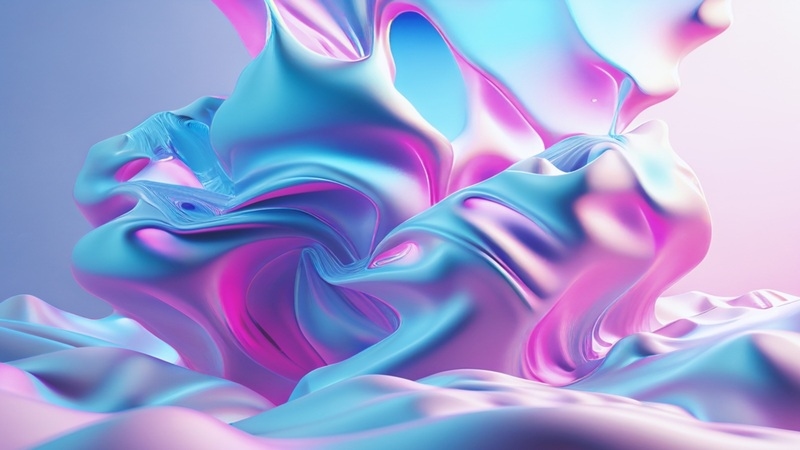
Consider a picture that is suspended in space and changes according to your location and perspective on it. This depicts the beauty of holographic art at its best. It is not a reflective sticker; rather, it is an actual three-dimensional image made of light. What really constitutes holographic art? A combination of both science and creativity. Many artists have utilized techniques associated with holography to modify liquid crystalline materials, and the interaction of light with those materials has created some of the most exciting examples of holographic art found anywhere in the world.
A hologram isn't a thing you can touch. It's a pattern of light waves. Artists record this pattern on film or with computers. Then, when you shine a light through it the right way, the image appears to pop out into space. It feels alive. This guide breaks everything down in plain words.
What is holographic art? This is a question often asked when it is seen for the first time. Holographic art uses recorded light patterns to create images with depth. These images change when the viewer moves.
A clear definition of holographic art explains it as a form of visual art created through the use of holography, rather than paint or ink. What this really means is the artwork behaves more like an object than a picture.
Holographic art stands apart because:
The simplest definition of holographic art describes it as art created through light interference. Lasers or similar light sources record patterns onto a surface. When light hits that surface again, an image appears in space.
This explanation helps clarify what holographic art is without requiring extensive scientific knowledge. Many artists prefer this method because it feels closer to sculpture than drawing.
Holographic art began as a scientific process and evolved into an artistic medium. The scientific community developed techniques for capturing light, while the creative community discovered the potential for creating works of art.
The first pieces of holographic artwork were based primarily on:
This artwork paved the way for newer styles of holographic artwork that allowed feelings and moods to be expressed via the creation of images using light as an artistic medium.
Holographic art techniques vary based on tools and goals. Some methods are technical; others are more experimental.
Standard holographic art techniques include:
Each technique affects depth, brightness, and viewing angle. Artists often combine methods to create more complex and rich holographic art examples.
Types of holographic art continue to expand. Some focus on galleries, others on public spaces.
Popular types of holographic art include:
Each type changes how viewers interact with space. Holographic art becomes easier to understand when viewed in person.
Holographic art examples help people understand the medium faster than words. Seeing light from shapes explains more than theory.
Examples often show:
These holographic art examples highlight how depth changes with movement. The artwork never looks the same twice.
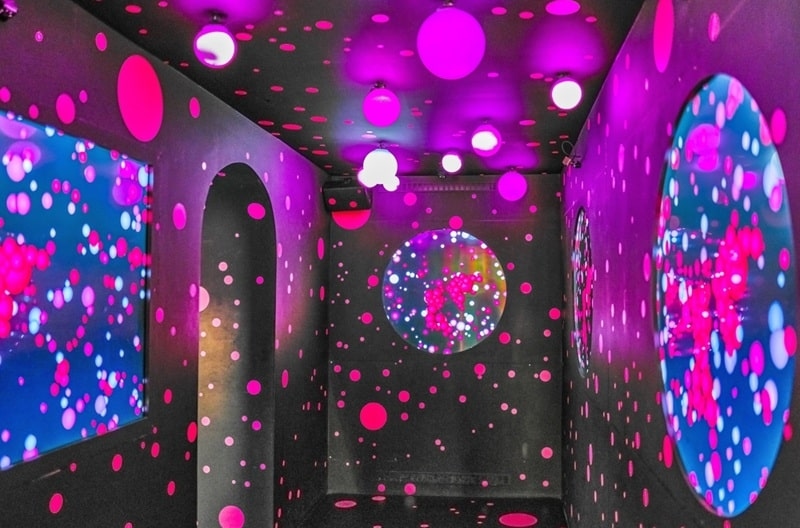
Artists choose holographic art because it breaks flat limits. Paint stays still—light moves.
Reasons artists shift to holographic art include:
Holographic art techniques enable artists to control how viewers move and perceive.
Lighting plays a significant role. Holographic art requires controlled light to function optimally.
Key viewing needs include:
Without these, even strong holographic art examples may feel weak. This factor shapes how types of holographic art are displayed.
Here’s the thing: holographic art often triggers surprise first. Then curiosity follows. The brain works harder to understand depth. What this really means is viewers slow down. Many holographic art examples hold attention longer than flat art.
This emotional pull explains why holographic art remains so memorable.
Beyond galleries, holographic art is also featured in learning spaces. Museums utilize holographic art visually to explain ideas.
Uses include:
A strong definition of holographic art helps educators explain abstract ideas through light.
Digital art lives on screens. Holographic art exists in space.
Differences include:
This distinction explains why types of holographic art feel more physical than digital designs.
Holographic art is not easy. Equipment costs more than paint. Skills take time.
Common challenges include:
Despite this, holographic art techniques continue to evolve as tools improve.
Credibility matters in this field. Artists often work with scientists or labs. This mix builds trust and expertise. Reliable holographic art examples typically originate from artists with a profound understanding of light behavior. This aligns with expectations of experience and authority.
What does this really mean for art tomorrow? Holographic art isn't standing still. Artists now mix it with other things. They project holograms onto smoke or water vapor. They combine it with sound and sensors. So the art reacts when you clap or step closer. New films and glasses-free 3D screens continue to improve. This gives artists more tools.
The dream of an accurate 3D portrait hanging in your living room gets closer. But the heart of it stays the same. It’s about crafting with light to make the invisible visible. To make a moment of magic you can share. Holographic art reminds us that seeing is a fantastic process. It plays tricks on our eyes and brain in the best way. It turns space into a place filled with wonder. And that’s a kind of magic worth making.
Holographic art turns light into living images. Through clear holographic art definitions, techniques, examples, and types, this medium demonstrates how depth and motion transform visual expression and evoke lasting emotions in the viewer.
No, not at all. 3D printing makes a solid, physical object you can hold. Holographic art makes an image of light that only appears to be three-dimensional. There's nothing solid to touch.
It requires a highly stable environment and low lighting to create genuine holograms with lasers, which makes this type of project difficult to achieve at home. However, smartphone applications are available that use projected images from simple materials, such as plastic wrap, to simulate the appearance of holograms.
Traditional holograms work by controlling the propagation of light waves. They don't create a solid surface to block light completely, so the image often has a translucent, ethereal quality that is part of its unique beauty.
Like any medium, they can fade. The film or material can degrade with too much exposure to bright light, especially sunlight. Artists and museums utilize specialized lighting and storage to preserve their works for a long time.
This content was created by AI