

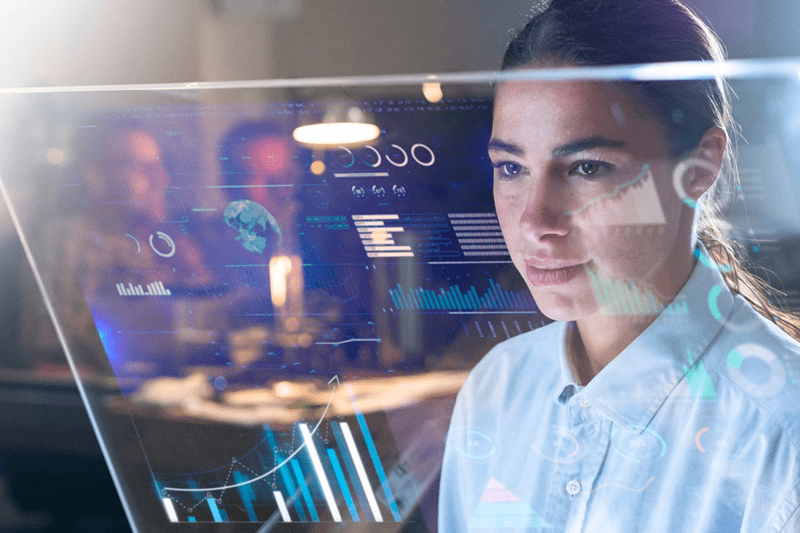
The future of holography is slowly becoming part of everyday thinking, not just science fiction scenes. Here’s the thing: people now see holograms outside of movie theaters and laboratories. Future trends and advances in holographic technology already hint at how next-generation holograms may fit into work, learning, and play. Early signs of emerging hologram tech show that depth and light can carry real meaning. What this really means is the future of holography looks useful, not flashy, and that change matters.
This article explains where things may go, how innovation grows, and why trust and experience shape adoption.
The future of holography refers to how hologram systems may evolve and become more practical. Holography uses light patterns to create three-dimensional images that appear real. Over time, these systems have become clearer, smaller, and easier to control.
The Future of Holography Is Built on Purpose, Not Surprise - Holography will be less about being "wow," and more about having an image that better explains an idea. The transition to holographic technologies will focus on advancing the technology while also providing the best user experience.
The realization of advances in holographic technologies occurs as problems are overcome with solutions - better lasers, newer software, and continually evolving materials serve as the catalysts for these advancements.
The main drivers for this growth are:
The future of holography must be rooted in the identification and resolution of tangible needs. When tools help people save time and reduce distractions, they are seen as a natural extension of their lives. This is where you will find the focus of the emerging Hologram Technology.
Holography's future trends indicate a shift into everyday settings. Not every use will be dramatic. Some will be quiet and helpful.
Examples of growing trends include:
Next-generation holograms support understanding by showing depth and scale. These uses help people learn more quickly and remember information more clearly.
Education often adopts new tools early. Emerging hologram tech fits well because it turns abstract ideas into visible forms.
Students can view complex shapes, systems, or processes in three dimensions. The future of holography in learning supports curiosity and attention. Holographic technology advances allow lessons to feel real, not distant.
This builds trust in the technology because results can be seen quickly.
Next-generation holograms are transforming the way teams communicate ideas. Flat slides sometimes fail to explain complex plans. Holograms add space and depth.
Business uses may include:
The future of holography in workspaces depends on reliability. When systems work consistently, people use them more. This is where the outlook for holography innovation remains realistic.
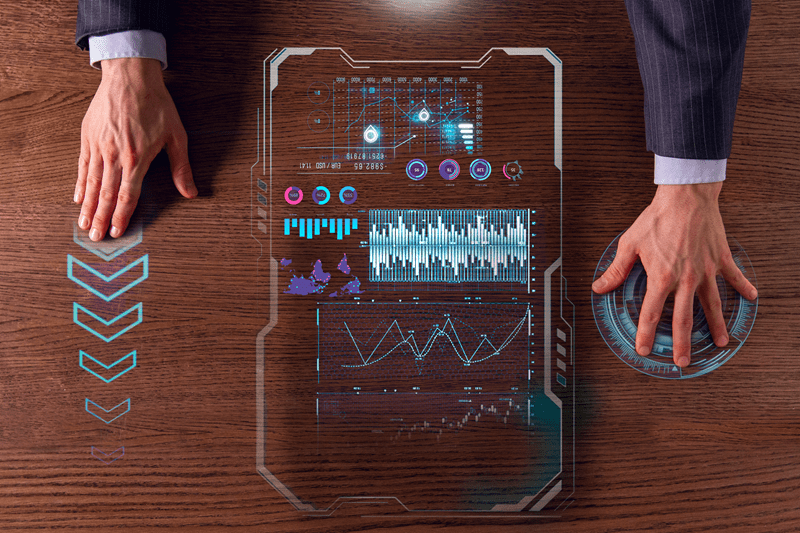
Healthcare values accuracy and safety. The outlook for holography innovation in this field remains cautious yet hopeful.
Doctors and students may use holograms to study anatomy or plan procedures. Holographic technology advances enable viewing layers without physically interacting with real patients. Emerging hologram tech supports learning with lower risk.
Trust matters here. Proven results matter more than excitement.
Artists and designers often test new tools first. The future of holography in creative fields focuses on expression and storytelling.
Possible uses include:
Holography and future trends in art show a balance between emotion and technique. Next-generation holograms enable viewers to interact with the image, not just observe it.
Here’s the thing: no technology grows without limits. The future of holography still faces challenges.
Common limits include:
Holographic technology advances aim to reduce these barriers. As tools become simpler, emerging hologram tech becomes easier to trust and use.
Experience matters when new tools appear. The future of holography advances more rapidly when supported by research and practical testing.
Organizations trust systems that show:
This aligns with substantial experience, expertise, authority, and trustworthiness. Holography innovation outlook depends on credibility, not hype.
People adapt slowly to new visuals. Screens once felt strange, too. Next-generation holograms may follow a similar path.
Gradual exposure through schools, stores, and workspaces builds comfort. Holography's future trends suggest slow integration rather than sudden change. The future of holography becomes familiar over time.
Every technology has an impact on the world around it. The future of holography also considers energy use and access.
Important considerations include:
Holographic technology advances aim to be more efficient. Responsible design fosters long-term trust in emerging hologram technology.
Preparation matters more than prediction. Understanding basics helps people adapt.
Helpful steps include:
The outlook for holography innovation remains strongest when people stay informed and curious.
All this tech talk boils down to a simple change. Holography is becoming a bridge. It bridges the gap between digital information and our natural, 3D world. Our brains are designed to perceive and understand the space and objects around us. Flat screens force us to translate. Holograms speak our native language.
This means less time learning complicated software and more time doing. It means better understanding complex ideas because we can see them from all angles. It could mean feeling closer to people who are far away. The future of holography is about making technology fit people, not the other way around. The advances are bringing that goal closer every single day.
The future of holography is shaped by purpose, trust, and steady progress: holography's future trends and advances in holographic technology support real needs through next-generation holograms. As emerging holographic technology becomes more reliable, the future of holography becomes an essential part of daily learning, work, and creative expression.
Probably not in the next year or two for complex holograms. However, simpler versions for entertainment or video calls could become consumer products within the next five to ten years as the technology becomes smaller and cheaper.
The cost is dropping fast. At the same time, high-end systems for business or medicine remain a significant investment; however, the underlying components, such as lasers and sensors, are becoming increasingly affordable, which will eventually trickle down to everyday uses.
Not yet with standard displays. However, emerging research into haptic feedback using ultrasound is creating systems that can simulate the feeling of touch in mid-air, so you may "feel" a hologram in the future.
This has been an enormous challenge. Newer generation displays are significantly brighter and employ different techniques to create contrast, making them visible in normal indoor lighting conditions. Full sunlight remains difficult, but progress is being made.
This content was created by AI