

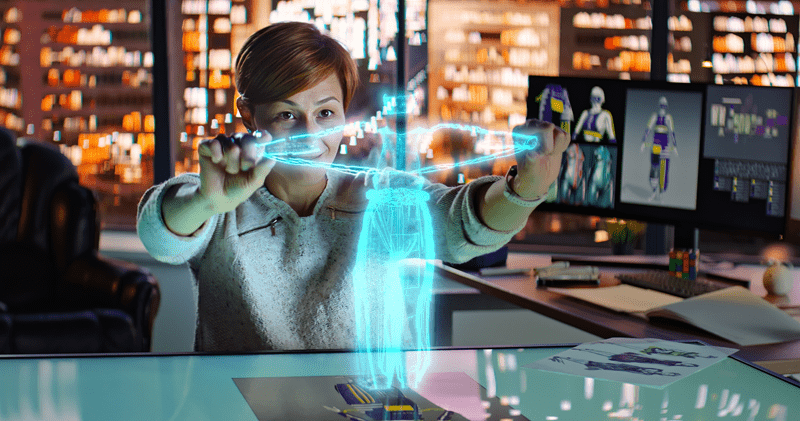
Holographic studio equipment plays a significant role in determining the clarity and stability of a hologram. Here’s the thing: even strong skills can fail if the setup is weak. Within the first steps of any project, professional hologram tools and studio holography gear determine image quality. Many creators working with holographic production equipment notice faster progress once the proper commercial hologram setup and holography workspace essentials are in place. This guide explains what matters most, without making things confusing or heavy.
What this really means is simple help for anyone building or improving a holography studio, whether on a small or commercial scale.
Holographic studio equipment includes all tools used to record, process, and display holograms. These tools control light, movement, and recording surfaces. Without a balance between them, results often look weak or unstable.
The goal of studio holography gear is control. Control over vibration, light paths, exposure time, and environmental noise. Professional hologram tools support repeatable results, which builds trust in the process.
Professional hologram tools form the foundation of any working studio. They do not need to be expensive, but they must be reliable.
Key tools often include:
Holographic studio equipment performs optimally when these tools are of equal quality. Mixing weak and strong components often leads to uneven outcomes.
Studio holography gear focuses on stability. Light recording depends on stillness. Even a tiny movement can damage a hologram.
Essential stability-focused gear includes:
Holography workspace essentials also include blackout curtains and controlled airflow. These details feel small, yet they protect results during exposure.
Holographic production equipment does not stop at recording. Processing matters just as much. Development, fixing, and drying require careful handling.
Standard processing equipment includes:
Professional hologram tools used during processing must stay clean and consistent. Poor handling can ruin a clean recording, even after a perfect exposure has been achieved.
A commercial hologram setup supports frequent use and multiple projects. These studios focus on efficiency, safety, and repeatable quality.
Key elements of a commercial hologram setup include:
Commercial spaces rely heavily on organized holography workspace essentials. Clear labeling and layout save time and reduce mistakes.
Many studios focus solely on the main tools and overlook the environment. That’s where problems start.
Often missed holography workspace essentials include:
Holographic studio equipment performs better when the space supports it. A calm, controlled workspace protects professional hologram tools from wear and error.
Not all projects need the same tools. Studio holography gear should match the goal.
For example:
Choosing the wrong setup wastes time. Choosing the right one supports smoother workflows and more explicit images.
Maintenance is part of ownership. Professional hologram tools last longer when properly cared for.
Basic care steps include:
Holographic studio equipment that stays clean and aligned delivers consistent results. This reliability builds confidence and authority in the work.
Every studio must consider safety. Lasers and chemicals require trained operators who understand the equipment and how to use it safely. Consequently, laboratories operate with established standard operating procedures, training requirements, and a formal process for protecting personnel and equipment.
It fosters trust in a studio by utilizing proven holographic production technologies and established workflows. Trust is established when a business utilizes proven technologies while adhering to technical and creative community standards to produce its projects.
Here’s the thing: viewers may never see the tools, but they feel the results. Image clarity, depth, and brightness depend on the quality of the equipment.
Strong holographic studio equipment:
Professional hologram tools support creativity by removing technical stress. That balance is crucial to the long-term success of a studio.
Studios grow over time. Planning avoids wasted spending.
Thoughtful growth planning includes:
A flexible commercial hologram setup adapts better as needs change. This makes growth smoother and less costly.
Starting simple is the best advice. A basic single-beam reflection hologram setup allows you to learn the process with fewer pieces of equipment. You master vibration control, exposure times, and processing chemistry. From there, you can expand.
If you plan to use a complicated image, it is advisable to add a secondary beam to the equation. Experimenting with film formats and pulsed lasers may give you some interesting options to consider when filming live models. One of the best aspects of having a well-thought-out studio is that it has the potential to evolve alongside your skills. The original holography equipment in your studio should be a springboard for developing more sophisticated holography methods in the future.
Remember, the goal is to make holograms, not just collect gear. Focus on understanding the role of each piece. Why is that mirror there? What does the spatial filter really do? This deep knowledge transforms you from an equipment operator into an actual creator. It converts a collection of parts into a coherent commercial holographic setup capable of producing excellent results.
Holographic studio equipment shapes every step of the hologram creation process, providing the right professional holographic tools, studio holography gear, and holographic production equipment to support consistent and stable results. With a smart commercial hologram setup and strong holography workspace essentials, studios build trust, quality, and long-term success.
The optical table is arguably the most critical. Without a vibration-free foundation, even the best laser and optics cannot produce a clear, stable holographic image.
Yes, many enthusiasts start with simplified setups that use basic lasers and DIY vibration isolation. Starting small to learn the core principles is an efficient approach before investing in professional hologram tools.
For most traditional holograms using photographic plates or film, yes. The materials are extremely light-sensitive and must be handled and processed in complete darkness or under specific safe lights.
A dedicated small room is ideal. You need sufficient space for the optical table (often 4 ft by 4 ft by 8 ft or larger), a separate darkroom area for chemical processing, and storage for your studio holography equipment and supplies.
This content was created by AI