

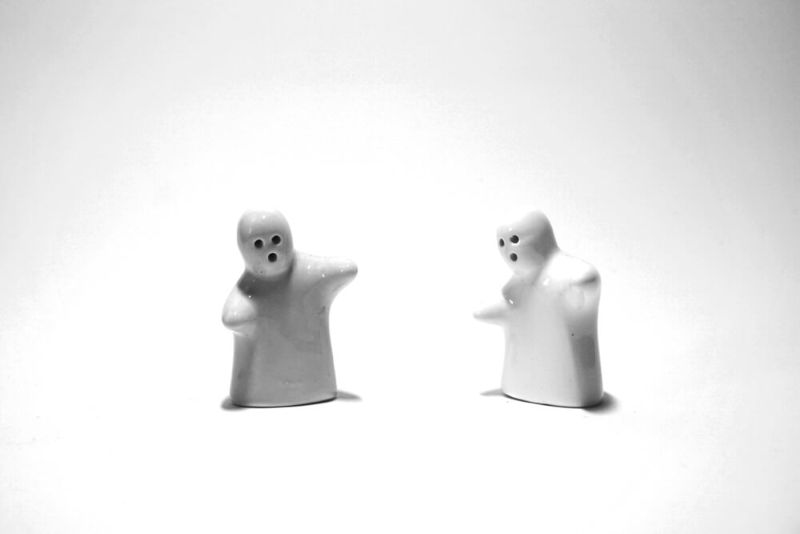
The knowledge of the Pepper's Ghost illusion shows how the world of magic arises from the power of light and glass, turning nothing into ghosts. Ghost Illusion Effect is an old-fashioned trick that was developed long ago, but still works well today, from vintage Victorian stages to current musical performances. Although everyone knows what the effect looks like, not everyone is familiar with how the Pepper's Ghost Illusion is applied. To become good at these techniques in theatre, people need to know how to make solid objects appear invisible or see-through. Pepper's Ghost is one of the most famous optical illusions, as it requires no complicated technology.
This trick is named after John Henry Pepper, who popularized the method in the 1860s. Even though he did not invent the base concept, his improvements made it a staple of live entertainment.
Pepper used a large glass plate to reflect a hidden actor onto the main stage. The result was a translucent figure that appeared to be a real person floating in the air.
Explore More Tips: DIY Hologram Kits That Let Beginners Create Real 3D Visuals
The physics behind this trick involves a phenomenon known as partial reflection. It occurs when light hits a transparent surface, such as glass or plastic, at a specific angle.
A dark room hidden from the audience contains the ghost actor, who is hit with bright lights. This light reflects off the glass, making the actor appear to be standing behind it.
Modern productions still use these old methods because they look more realistic than a television screen. Digital projectors have replaced live actors, but the glass remains the most important part.
By placing a clear barrier at a 45-degree angle, directors create depth that confuses the human eye. This setup allows real actors to walk through the ghost without breaking the glass.
Optical tricks vary from simple drawings to complex mechanical rooms. The goal is always to trick the brain into seeing something that is not physically there.
Each of these methods relies on how the human eye processes light and color. However, the ghost effect is unique because it exists in a three-dimensional space for the viewer.
Small-scale versions of this trick are easy to build at home using a smartphone and a plastic pyramid. This helps students learn about the properties of light and reflection through hands-on activities.
Controlling the brightness of the source is the secret to making a ghost look solid or faint. This flexibility is why the trick has lasted for over 150 years.
Modern technology has pushed the boundaries of what this reflection trick can do in large stadiums. Using specialized foils instead of heavy glass makes the setup much more portable for world tours.
The core principle remains the same as in the Victorian era, despite the use of lasers. This consistency proves that the original idea was mathematically and visually perfect from the start.
On a Related Note: Real Holography vs Digital Holography Explained for Artists
Professional designers must consider the sightlines of every person in the audience. If the glass is visible, the magic disappears instantly for everyone in the room.
A single smudge on the glass can reveal the secret to the entire crowd. Maintaining the equipment is just as important as the performance itself during a long show.
In contrast with computer-generated imagery, the illusion creates a reflection that seems physically tangible. The tangible quality creates a sense of amazement that digital technology cannot always capture.
People love being tricked visually without the use of any screens. The technique brings people closer to the traditions of theater and magic.
Various television programs and films have incorporated the iconic illusion into their productions. The trick is one of preference for directors who would rather use practical special effects than rely on costly digital animation.
Using the ghost effect adds a layer of nostalgia and craftsmanship to a production. It reminds viewers that some of the best tricks use basic physics.
Safety is a priority when working with large sheets of glass or heavy lighting equipment. Proper bracing and professional handling are required to prevent accidents during a live event.
Performers must also be careful not to walk into the glass barrier while moving on stage. Rehearsals are necessary to ensure the timing of the light and the movement is perfect.
The ghost's color depends on the light shining on the hidden item. The darker shades have poor reflectivity; therefore, the ghost costume should be white or light blue.
A bright background behind the glass makes the reflection disappear. Maintaining a darker environment on the main stage enhances the ghost's visibility.
Virtual reality and augmented reality are now incorporating these old reflection rules into new software. This blend of old and new creates even more immersive environments for users.
This integration shows that John Henry Pepper's work remains relevant in the age of computers. The laws of reflection are a permanent part of how humans perceive the world.
In Case You Missed It: Holographic Art Transforming Modern Visual Experiences Today
The Pepper’s Ghost Illusion continues to be a true masterpiece of visual storytelling and practical science. Through a clever integration of the Stage Illusion Tricks and knowledge of Pepper’s Ghost Illusion Technique, it never fails to amaze people wherever it is performed. In either a theme park or theatre setting, it never fails to dazzle and impress.
Most professionals use a very thin sheet of plexiglass or specialized Mylar foil for the reflection. These materials are lighter than standard glass and less likely to break during a show. They also have fewer double-reflections, which helps keep the ghostly image sharp and clear for the entire audience.
It is very difficult to use this method in direct sunlight because the ambient light washes out the reflection. The hidden actor must be significantly brighter than the background for the effect to appear. Indoors or nighttime settings provide the necessary darkness to make the translucent image visible to spectators.
While John Henry Pepper made it famous, Henry Dircks originally developed the concept. Pepper modified the design to work in standard theaters without requiring major structural changes. This collaboration between science and entertainment eventually made the trick a worldwide sensation in magic.
The disappearance is controlled entirely by a dimmer switch on the lights in the hidden room. When the lights on the hidden actor are turned off, the reflection on the glass vanish immediately. This allows for a sudden, dramatic exit that appears like magic to the people watching.
This content was created by AI